
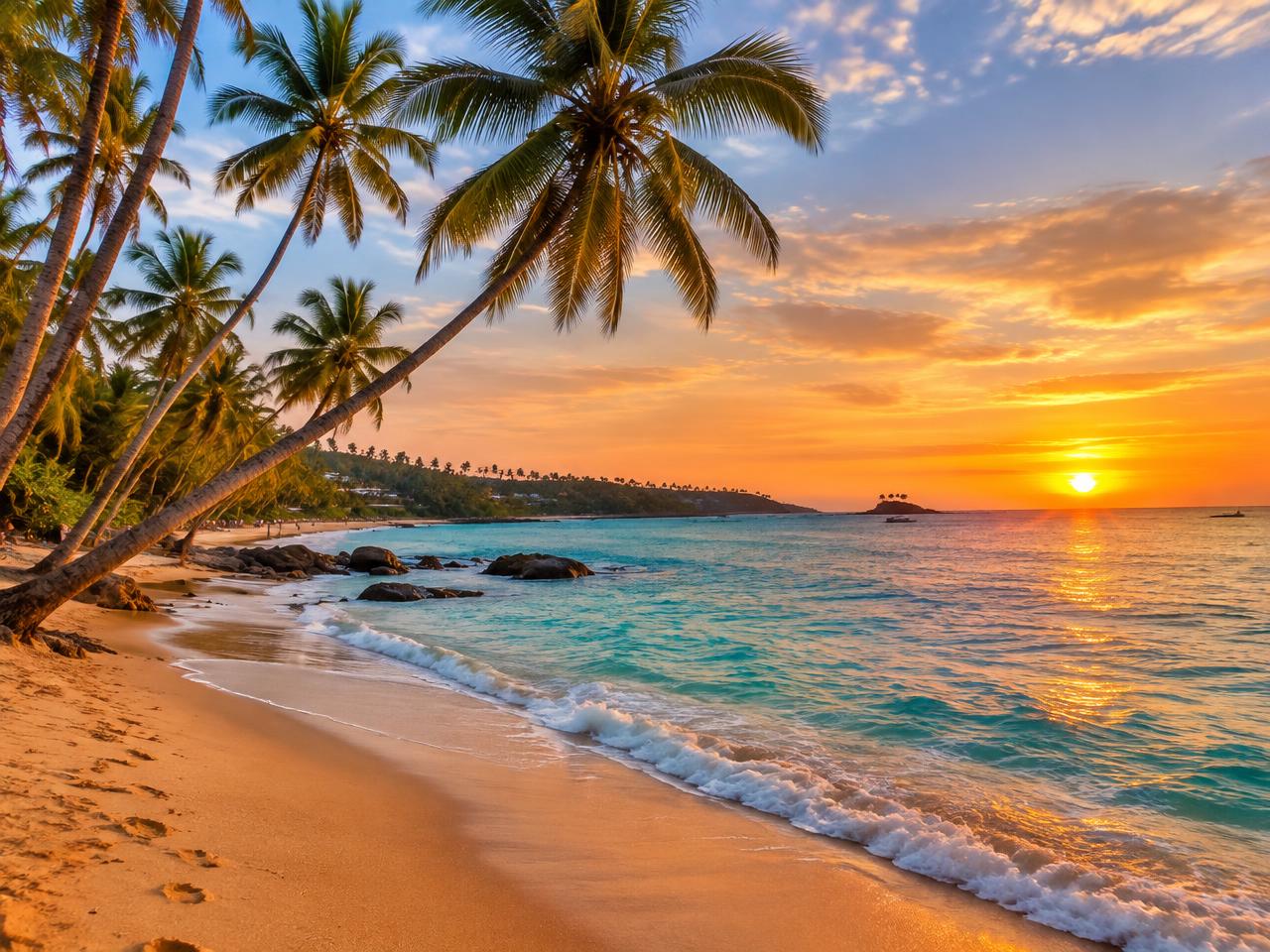
Sri Lanka Travel Guide
Sri Lanka Travel Guide
Plan your Sri Lanka holiday with practical guidance on seasons, whale watching, festivals, what to pack, temple etiquette and FAQs.
Seasonal Travel Guide
Best Time to Visit Sri Lanka
Sri Lanka is a year-round destination, but the best region to visit can vary with the island’s seasonal weather patterns. Choosing the right coast and route for your travel dates can make a big difference to your experience.
Peak Travel Period
A particularly popular period for the south and west coasts and many Cultural Triangle destinations, with generally drier conditions and strong demand for accommodation.
Shoulder Periods
These transition months can offer a useful balance of travel conditions, visitor numbers and availability, depending on the region.
Inter-Monsoon / Quieter Period
Conditions can be more variable across the island during the inter-monsoon period, although travelers may also encounter fewer visitors in some destinations.
Where to Consider Throughout the Year
Select any month to view recommended island regions and practical travel advice.
Popular travel season begins, with generally favorable conditions in many southern and western destinations.
| Best Time to Visit | Recommended Regions | Seasonal Travel Advice |
|---|---|---|
| December | South & west coast, Cultural Triangle | Popular travel season begins, with generally favorable conditions in many southern and western destinations. |
| January | South & west coast, Cultural Triangle | A popular period for beach, cultural and classic island itineraries. |
| February | South & west coast, Cultural Triangle | Often a favorable month for combining beaches, culture and hill-country travel. |
| March | South & west; east beginning to transition | Good conditions can continue in many areas before seasonal patterns begin to change. |
| April | Much of the island | A festive month, with Sinhala and Tamil New Year celebrations bringing an especially local atmosphere. |
| May – June | East coast | As the south-west monsoon develops, destinations on the east coast become increasingly attractive. |
| July – August | East coast, Cultural Triangle | A strong period for eastern beaches and cultural travel, with Kandy’s Esala Perahera often becoming a major seasonal highlight. |
| September | East coast and selected inland destinations | A transitional period that can work well for travelers seeking a quieter journey. |
| October – November | Varies across the island | Inter-monsoon conditions can be less predictable, so flexible routing is especially useful. |
Popular travel season begins, with generally favorable conditions in many southern and western destinations.
A popular period for beach, cultural and classic island itineraries.
Often a favorable month for combining beaches, culture and hill-country travel.
Good conditions can continue in many areas before seasonal patterns begin to change.
A festive month, with Sinhala and Tamil New Year celebrations bringing an especially local atmosphere.
As the south-west monsoon develops, destinations on the east coast become increasingly attractive.
A strong period for eastern beaches and cultural travel, with Kandy’s Esala Perahera often becoming a major seasonal highlight.
A transitional period that can work well for travelers seeking a quieter journey.
Inter-monsoon conditions can be less predictable, so flexible routing is especially useful.
When is the Best Time to Visit Sri Lanka?
Sri Lanka can be visited throughout the year, but weather patterns vary between different parts of the island because of its monsoon seasons.
South-West Monsoon (Yala)
The south-west monsoon mainly affects western and southern areas around May–September. During this time, the east coast experiences sunny, dry weather perfect for beach holidays and surfing.
North-East Monsoon (Maha)
The north-east monsoon mainly affects northern and eastern areas around October–January. During these months, the south and west coasts enjoy calm ocean waters, sunshine and prime beach weather.
Marine Wildlife Excursions
Whale Watching in Sri Lanka
Sri Lanka offers excellent opportunities to see whales in their natural habitat, with different coasts becoming more suitable at different times of the year.
Mirissa / South Coast
Mirissa and Sri Lanka’s south coast are especially popular for whale-watching excursions during the calmer south-coast season.
Excursions typically depart early morning from Mirissa Fisheries Harbour when sea conditions are at their calmest.
Trincomalee / East Coast
Trincomalee becomes a popular option during the east-coast season, offering another opportunity to enjoy marine wildlife and coastal experiences.
Because deep submarine canyons come close to Trincomalee's coastline, marine life can often be encountered without long boat rides.
Cultural Celebrations
Festivals Worth Timing Your Journey Around
Traveling during one of Sri Lanka’s major cultural celebrations can add a memorable dimension to your journey.
Sinhala & Tamil New Year
One of Sri Lanka’s most important nationwide celebrations, bringing families together through traditional food, customs, games and festivities.
Vesak
An important Buddhist festival commemorated throughout Sri Lanka with illuminated lanterns, decorations, religious observances and community activities.
Kandy Esala Perahera
One of Sri Lanka’s best-known cultural processions, bringing together traditional dancers, drummers, ceremonial traditions and beautifully illuminated processions in Kandy.
Some Sri Lankan festival dates vary each year according to religious or traditional calendars. Confirm exact dates when planning your journey.:Some Sri Lankan festival dates vary each year according to religious or traditional calendars. Confirm exact dates when planning your journey.
Practical Packing Advice
What to Pack for Sri Lanka
Packing for Sri Lanka is straightforward when prepared for warm coastal weather, highland breezes, and respectful cultural visits.
Year-Round Essentials
- Lightweight, breathable clothing (cotton or linen)
- Comfortable walking shoes or sandals
- Sun protection (high-SPF sunscreen & sunglasses)
- Wide-brim hat or cap
- Insect repellent
- Reusable water bottle
- Modest clothing or cover-ups for temples and religious sites
Wet-Season Travel
- Light rain jacket or packable windbreaker
- Compact travel umbrella
- Quick-dry lightweight clothing
- Waterproof bag or dry pouch for camera and electronics
Hill Country
- Light sweater or cardigan
- Jacket or wind-resistant layer
- Warm layer for cooler mornings and misty evenings (temperatures can drop to 10–14°C)
- Comfortable walking shoes with good grip for scenic viewpoints and tea plantations
Beach & Coast
- Swimwear & rash guards
- Lightweight beach clothing
- Sun protection & after-sun lotion
- Sandals, flip-flops or water shoes
Practical Guidelines
Essential Information for Traveling in Sri Lanka
Accurate, practical insights curated by our local travel specialists to ensure complete peace of mind throughout your journey.
Best Time to Visit Sri Lanka
Sri Lanka can be visited year-round. Because of two alternating weather seasons, at least one half of the island always enjoys sunny, calm conditions.
Unlike destinations with a single rainy season, Sri Lanka's geography creates two distinct weather patterns. The south and west coasts are at their sunniest from November to April, while the east coast shines from May to September. Hill country destinations like Nuwara Eliya and Ella enjoy crisp, fresh mountain air throughout the year.
Monsoon Seasons
South-West Monsoon (May–Sep) and North-East Monsoon (Oct–Jan) determine the optimal coastal routes.
The South-West (Yala) monsoon mainly brings rain to the south-western coast and central hills between May and September, making Trincomalee and Arugam Bay on the east coast ideal. The North-East (Maha) monsoon affects the north and east from October to January, making Bentota, Galle and Mirissa on the south-west coast perfect.
Whale Watching Seasons
Mirissa (Nov–Apr) and Trincomalee (May–Sep) provide alternating opportunities for marine wildlife watching.
Sri Lanka is one of the world's prime locations to observe Blue whales, Sperm whales, and dolphins in their natural habitat. Whale watching in Mirissa runs typically from November to April, whereas Trincomalee operates generally from May to September. Please note: wildlife sightings and sea conditions can vary, so exact availability may depend on weather and local operating conditions.
What to Pack
Lightweight cottons for tropical coasts, warm layers for hill country, and modest attire for sacred cultural sites.
Bring breathable summer clothes, sun protection, comfortable walking shoes, a light rain jacket, and modest attire for temple visits. For highland towns such as Nuwara Eliya and Ella, a light jacket or sweater is recommended for cooler mornings and evenings.
Temple & Cultural Etiquette
Dress respectfully with shoulders and knees covered, and remove footwear and headwear before entering.
When visiting temples and religious sites across Sri Lanka, shoulders and knees should generally be covered, and visitors may be asked to remove footwear and hats before entering temple premises. White or light-colored attire is customary and warmly appreciated. Always ask permission before photographing monks or religious ceremonies, and never pose with your back turned directly to a Buddha statue.
Wildlife & Safari Tips
Early morning and late afternoon game drives offer the highest chance of seeing leopards, elephants, and rare birdlife.
National parks like Yala, Wilpattu, Udawalawe and Minneriya are best explored on early morning (6:00 AM) or late afternoon (3:00 PM) private 4x4 jeep safaris when animals are most active. Wear neutral colors (khaki, olive, beige), bring binoculars and high-zoom camera lenses, and always maintain a quiet, respectful distance from wild elephants and other animals.
Transport in Sri Lanka
Private air-conditioned vehicles with dedicated experienced drivers offer the most comfortable and flexible way to explore.
While Sri Lanka looks compact on a map, travel between cities takes time due to winding mountain roads and scenic topography. Having a dedicated private vehicle with a professional driver-guide allows you to travel in air-conditioned comfort, stop whenever you wish for fresh king coconuts or scenic viewpoints, and avoid the hassle of public transit schedules.
Currency & Payments
Sri Lankan Rupee (LKR) is the local currency. Visa and Mastercard are accepted at hotels; carry cash for local markets and tips.
ATMs are widely available across all major towns and cities in Sri Lanka. Credit and debit cards (Visa & Mastercard) are accepted in most hotels, reputable restaurants and larger stores. However, carrying small denominations of Sri Lankan Rupees (LKR) in cash is very useful for local fruit stalls, tuk-tuk rides, tea shops, and tipping drivers or guides.
Staying Connected
Tourist SIM cards and eSIMs with generous high-speed 4G/5G data packages are readily available upon arrival at Colombo airport.
Local telecommunication providers (such as Dialog and Mobitel) offer affordable tourist SIM cards and eSIM packages right at the arrivals lounge of Bandaranaike International Airport. High-speed 4G connectivity is excellent across nearly the entire island, and complimentary Wi-Fi is standard in hotels, resorts and cafes.
Travel Insurance
We strongly recommend securing comprehensive travel insurance covering medical care, travel delays, and recreational activities.
Comprehensive travel insurance gives complete peace of mind while exploring Sri Lanka. Ensure your policy covers emergency medical treatment, hospital care, trip cancellation or interruption, luggage protection, and recreational activities like safari game drives, boat excursions or hiking.
Got Questions?
Frequently Asked Questions
Helpful answers to some of the most common questions travelers ask when planning a journey through Sri Lanka.
Sri Lanka can be visited throughout the year, but December to March is especially popular for the west and south coasts and many parts of the Cultural Triangle, where conditions are generally drier and sunnier.
Year-Round Island Travel
Because of these alternating regional weather patterns, there is always a region in Sri Lanka with pleasant, sunny weather at any time of the year. Our team will happily advise you on the optimal route based on your intended travel dates.
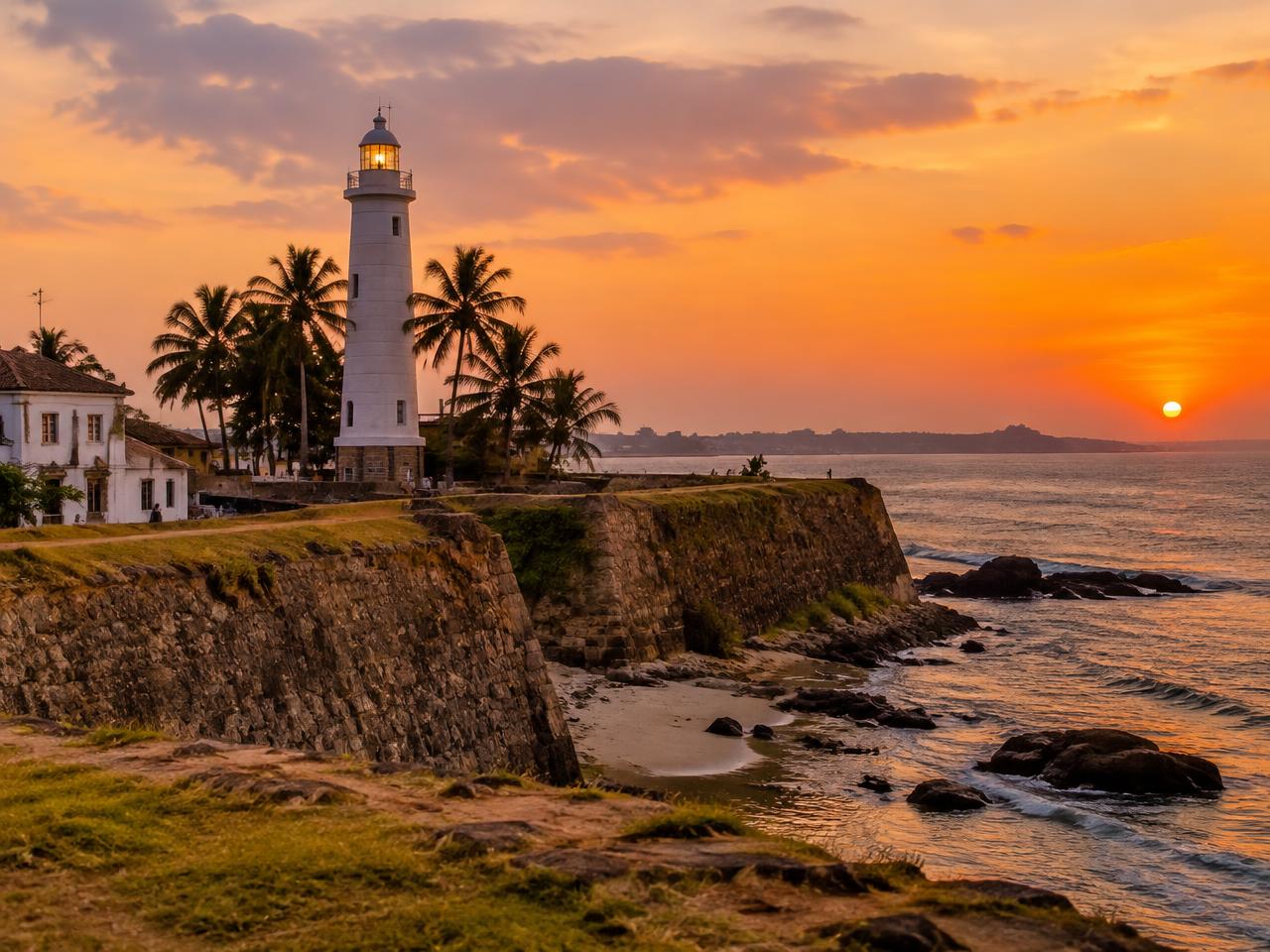
Plan Your Trip
Where Journeys Become Memories
Blue Sapphire Travels creates personalized Sri Lanka journeys designed around each traveler's interests, comfort and travel style.